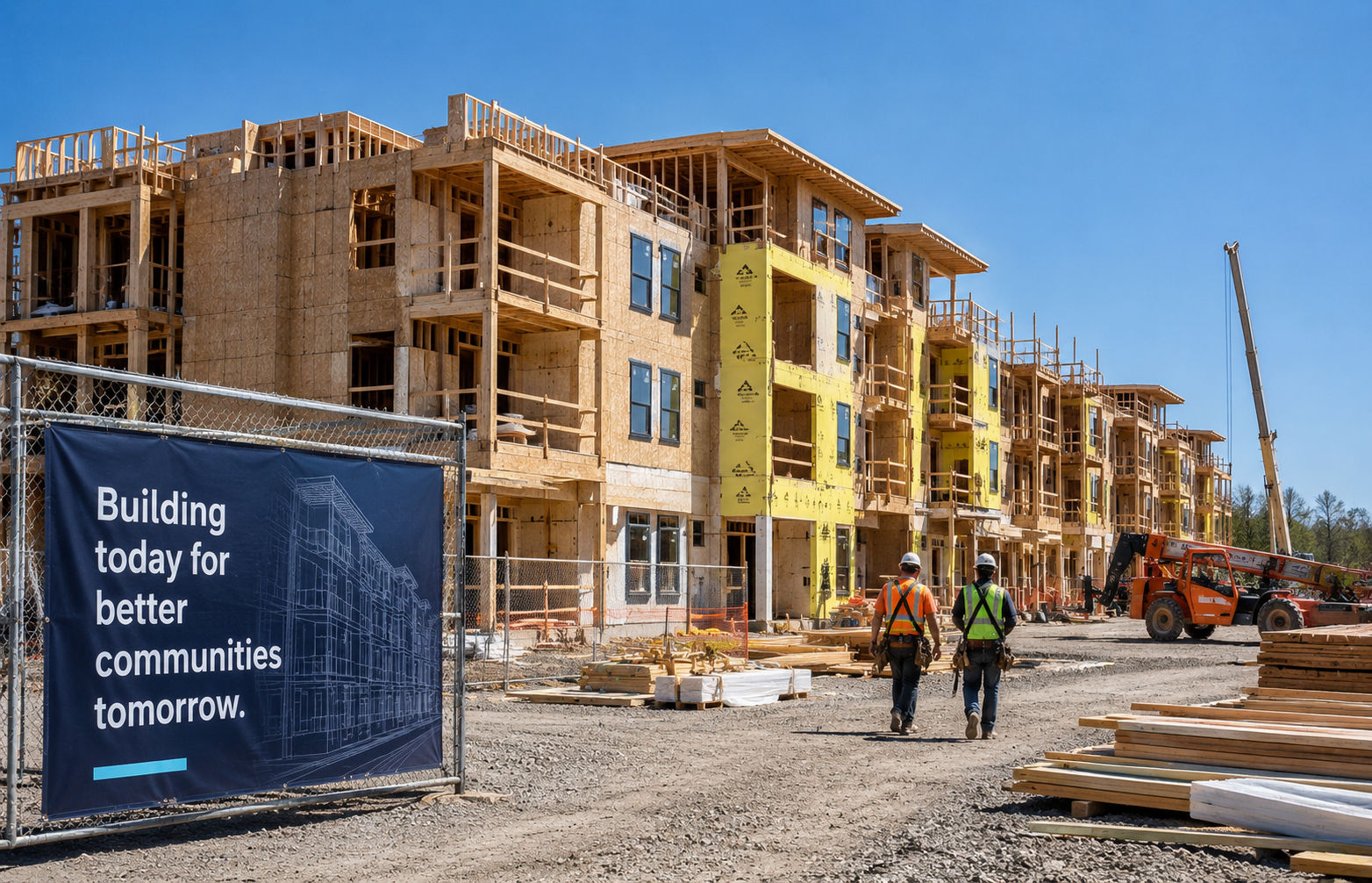
Canadian multifamily housing has recently faced softening rental demand as immigration slowed and a surge of unsold condominium completions rebalanced the market. However, the long‑term outlook remains robust because core demand drivers, population growth, sustained housing demand and supply constraints—are intact. Industry experts at Equiton stress that investors must look beyond short‑term volatility; population growth is expected to resume in 2027, and the Office of the Parliamentary Budget Officer projects it will stabilize at 0.8% annually . RBC anticipates rental demand will strengthen and rents will stabilize after near‑term vacancy increases, while new ownership‑oriented housing starts are slowing and a shortage of for‑sale housing may re‑emerge, supporting future rental occupancy and rent growth.
Several structural tailwinds underpin the sector’s resilience. Home‑ownership remains unaffordable for many Canadians, average home prices rose about 42% between 2016 and 2026, and households must devote over half their income to ownership costs, so rentals are a more attainable option . Demographic trends such as urbanization, migration to secondary cities and evolving household patterns mean the typical renter is now around 30 and renting longer; renting has become a preferred lifestyle for those seeking flexibility. Rental housing meets an essential need, so needs‑based demand supports occupancy and cash flow even during downturns . With these strong fundamentals, investment funds that include multifamily properties can provide stable income, and investors who focus on long‑term drivers rather than short‑term noise may be rewarded.